 Refrigerators
 Dryers
 Dishwashers
 Stoves
 Freezers
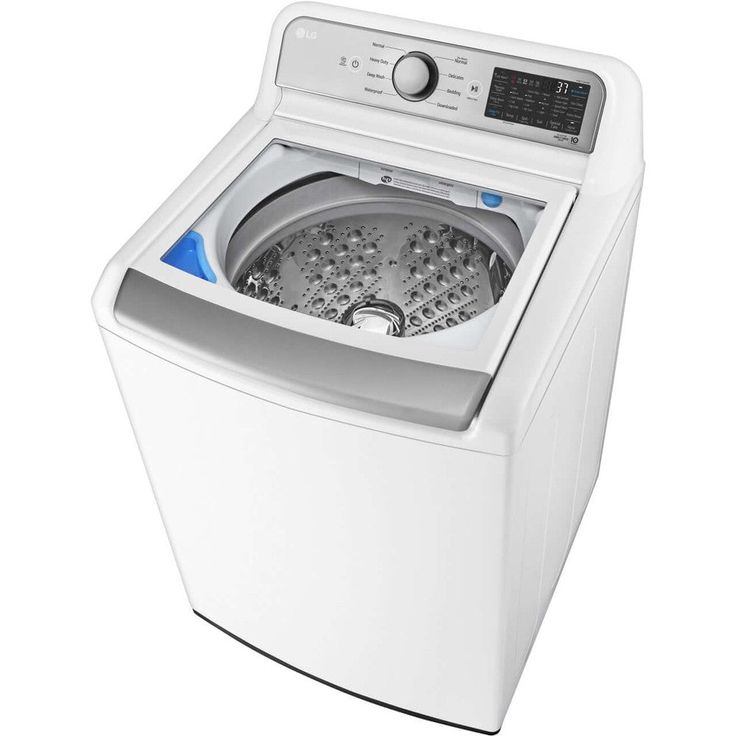
Washing machine energy-saving mode

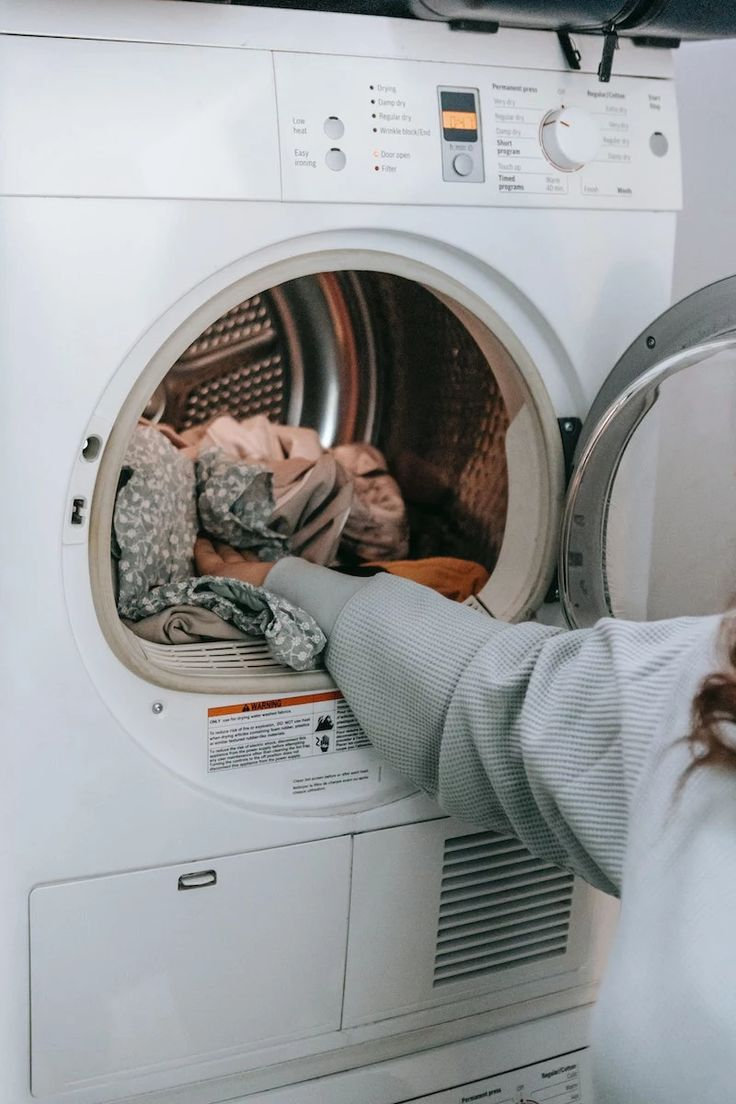
Creating a cozy summer home that serves as a peaceful retreat requires careful selection of appliances that enhance comfort without compromising on style or efficiency. At Appliances 4 Less Little Rock, we cater to residents in Little Rock, Benton, Conway, and Pine Bluff with an array of open box, scratch, and dented appliances that are perfect for elevating your summer living. Here’s our guide to the essential appliances for a cozy summer home.
In daily life, the washing machine is one of the main household energy consumption appliances. With the enhancement of energy saving and environmental protection consciousness, more and more people begin to pay attention to how to save electricity and water through energy saving mode. By adjusting the water temperature, water volume and time scientifically, the energy consumption can be significantly reduced while the cleaning effect is guaranteed. This article will give you an in-depth understanding of how it works, and provide practical tips to help you achieve economic and environmental win-win.
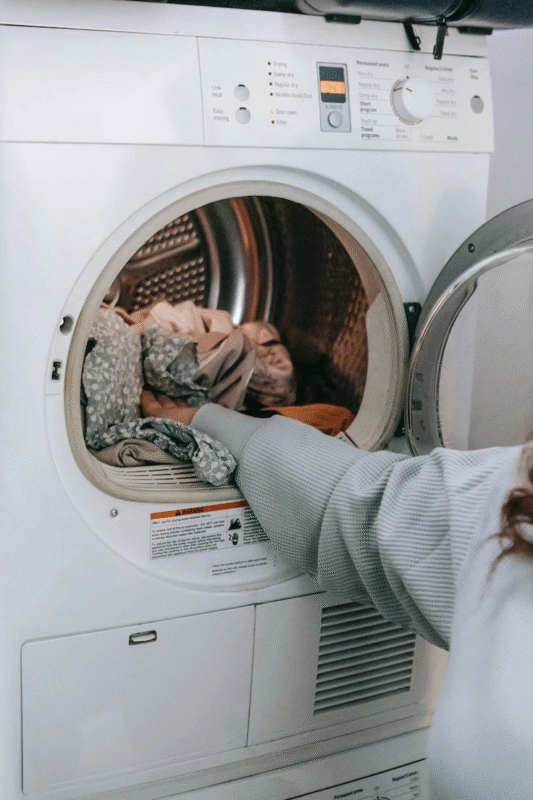
(1)、 understand how energy-saving modes work
1. Temperature regulation mechanism
The heating part of the washing machine is the main part of the electricity consumption. The energy-saving mode achieves energy saving by preferentially selecting low-temperature water washing, usually controlling the water temperature in a lower range or directly using cold water, while the traditional mode often requires heating the water to a higher temperature. The active ingredients in modern detergents can also be effectively activated at low temperatures to ensure decontamination. Lowering the water temperature can significantly reduce the energy required for heating.
2. Intelligent control system
The energy-saving mode relies on the built-in sensor system, which can automatically detect the weight and material of the clothes, and dynamically adjust the amount of water and washing time accordingly. For example, when washing a small amount of clothes, the system will automatically reduce the amount of water; for heavily stained clothes, it will extend the soaking time, through physical action to enhance the decontamination effect. This intelligent adjustment ensures the optimal allocation of resources in all kinds of washing scenarios.
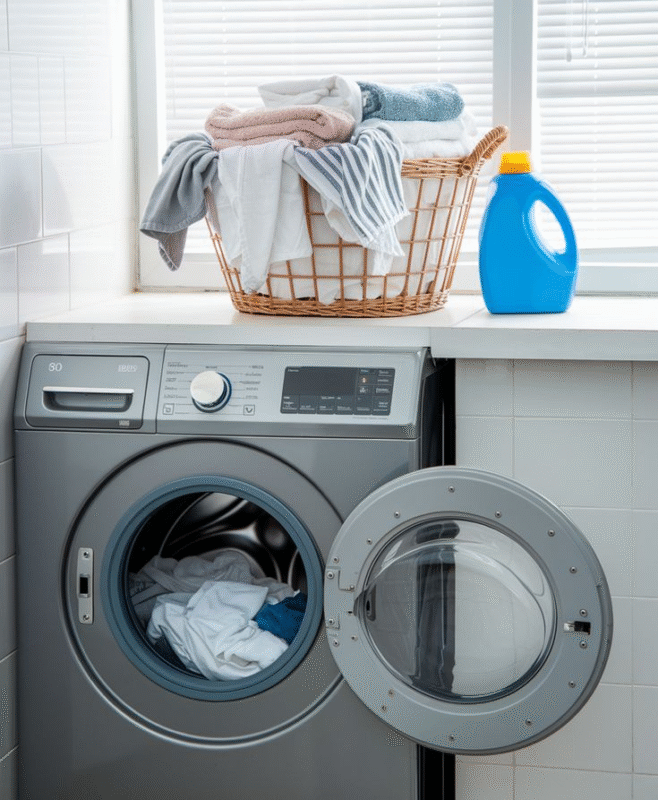
(2) 、five core skills
1. Planning washing capacity reasonably
Load control is the key to energy saving. Each time when washing, the amount of clothing should be controlled in a reasonable proportion of the rated capacity of the washing machine. Too little will lead to waste of water and electricity, too much will increase the motor load. It is also important to separate washings by material and color to avoid increased time or energy consumption due to mixing.
2. Prefer cold water and low temperature washing
For daily mild stains clothing, should be preferred to low temperature or cold water washing mode. Modern detergents can effectively remove dirt at low temperatures and avoid unnecessary heating energy consumption. When the water temperature is high in summer, cold water washing can be used directly. For special needs, such as oil or disinfection, it can be heated properly, but the frequency should be controlled.
3. Optimize program and time settings
Standard mode generally uses less power than fast-wash mode, because fast-wash mode may increase power to shorten time, which in turn increases power consumption. Dehydration time should not be too long, reasonable setting can achieve the desired results, excessive extension of the dryness of the limited increase will increase power consumption.
4. Use high-performance detergents in moderation
Choosing low-foam detergents can help reduce the number of rinses and avoid energy consumption due to too much foam. For stubborn stains, pre-treatment in advance can reduce the time and intensity of the main washing process and improve the cleaning efficiency.
5. Maintain your washing machine regularly
Cleaning the inner cylinder is an important link to maintain the energy saving effect. Regular use of“Cylinder self-cleaning” function can avoid the accumulation of dirt and increase the energy consumption of the motor. At the same time, it is necessary to regularly clean the inlet valve filter and drain outlet to prevent clogging resulting in reduced efficiency.
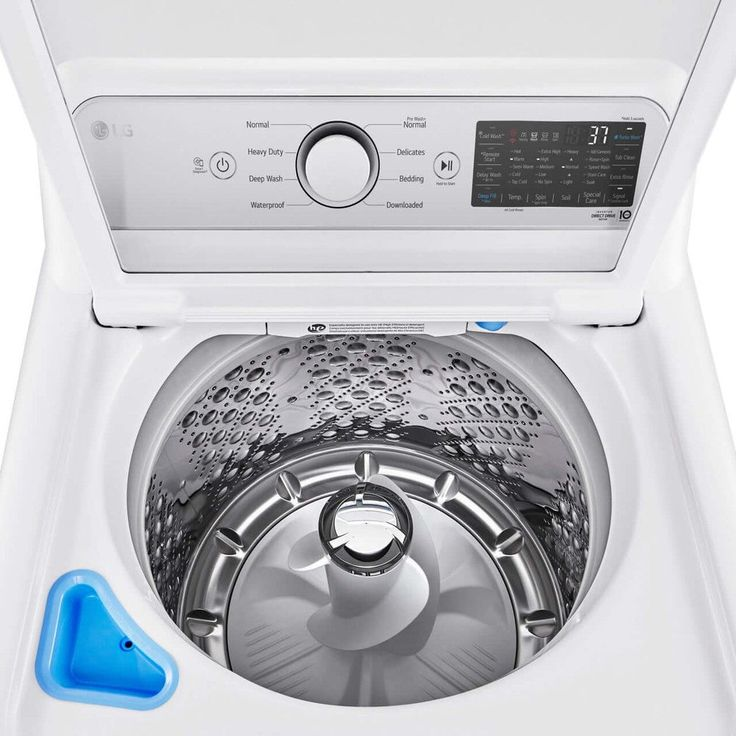
(3)、 clarification of common misconceptions
1. Faster Wash mode uses less power
Fact: Fast-wash mode may shorten time by increasing power, but it consumes more power. The energy-saving mode achieves global energy saving through overall process optimization and is more economical in most daily scenarios.
2. Lack of cleanliness in energy-saving mode
Fact: for everyday clothing, low-temperature washing combined with extended immersion time is sufficient to meet cleaning requirements. Modern detergents can effectively remove common stains at low temperatures, and heavily stained clothes can be pretreated first.
3. Apply energy-saving models to all clothing
Fact: wool, silk and other special materials need special procedures, energy-saving mode may lack of detergency. The appropriate procedure should be chosen according to the material of the garment and the level of dirt.
(4)、 long-term energy saving habits
1. Centralized washing: accumulate enough clothes and run with full load to avoid frequent start-up. If the washing machine supports the timing function, can be set in the lower electricity prices during the operation to reduce electricity bills.
2. New Machine Selection: priority to select the purchase of variable frequency motor models, long-term energy-saving effect is more significant.
3. Regular inspection: Every six months to check the washing machine sealing ring and drainage pipe, to avoid aging parts lead to rising energy consumption.
Conclusion
Through the proper use of energy-saving models combined with proper laundry habits, not only can household energy bills be reduced, but it is also a sustainable lifestyle practice. Start from the next washing, try to activate the washing machine energy saving mode, let energy saving really into the daily details


