 Refrigerators
 Dryers
 Dishwashers
 Stoves
 Freezers
Microwave Oven Turntable Troubleshooting and Repair Guide

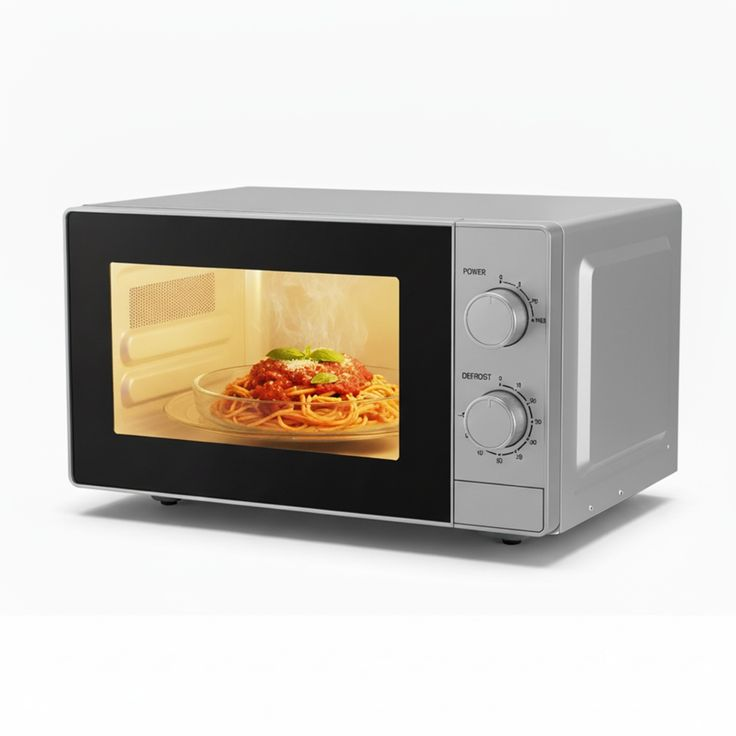
Creating a cozy summer home that serves as a peaceful retreat requires careful selection of appliances that enhance comfort without compromising on style or efficiency. At Appliances 4 Less Little Rock, we cater to residents in Little Rock, Benton, Conway, and Pine Bluff with an array of open box, scratch, and dented appliances that are perfect for elevating your summer living. Here’s our guide to the essential appliances for a cozy summer home.
The non-rotation of the microwave oven turntable is a common failure. Although the microwave oven can still heat food, it will cause uneven heating of food and seriously affect the use effect. When you find that the microwave oven turntable does not turn, do not rush to repair, in most cases can be solved by simple investigation. This article will systematically introduce the causes, troubleshooting methods and solutions of the failure of the turntable, to help you quickly restore the normal function of the microwave oven under the premise of ensuring safety.
(1) 、 failure cause analysis
1. Mechanical component failure
The most common reason for the non-rotation of microwave oven turntable is the damage of turntable motor. The winding of the motor may be short-circuited and burned due to the inflow of liquid, or the winding may be mildewed due to the long-term high-humidity environment, or the turntable may be frequently blocked and damaged by overload. Transmission Jam will also affect the rotation of the turntable, including the turntable below the roller, bracket or belt due to oil, aging, deformation and stuck. If the position of the rotary table is off-set or there is something stuck under the rotary table, the rotary table can also be blocked.
2. Circuit system problems
The failure of door safety switch will trigger the microwave oven safety protection mechanism and cut off the power supply of the whole machine. Performance for the microwave oven door is not completely closed or door lock switch poor contact. Control circuit failure, such as control turntable motor relay or circuit board components damaged, will cause the motor can not power. Power problems, such as damaged power cords, poor socket contact or a blown internal fuse, can also cause the turntable motor to lose power.
3. Other factors
Wrong operation or setting problem: some microwave ovens support turn-off function, users may touch this function by mistake.
Main Control Board program failure: the Main Control Board chip or program error, resulting in the turntable can not send a start signal.
(2)、 troubleshooting methods
1. Initial inspection and cleaning
Safety preparation: be sure to unplug the power plug of the microwave oven to ensure safe operation.
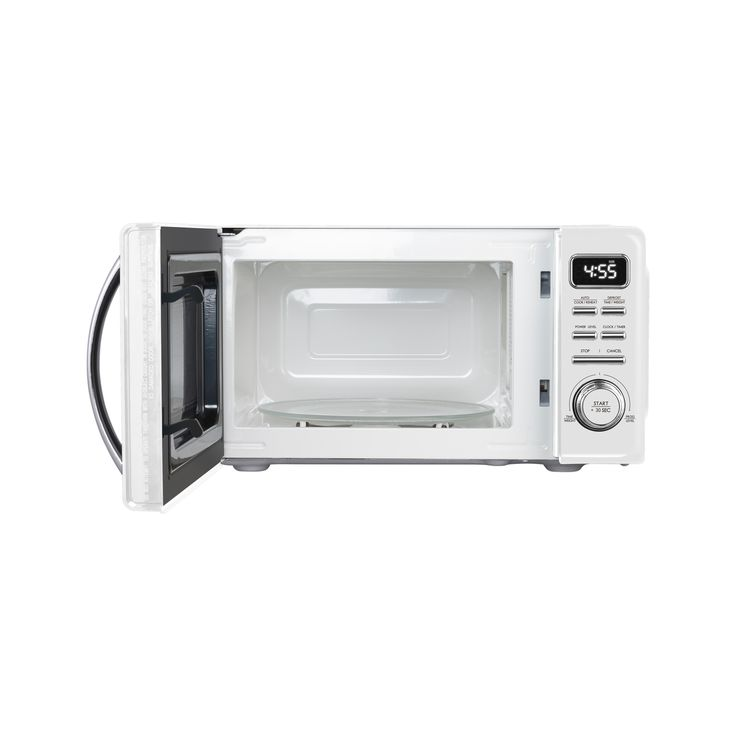
Clean the turntable track and rotating parts: remove the glass turntable and the turntable bracket, remove the food residue, oil stains or foreign bodies on the track. This is the most common and easy-to-use first step to getting around a turntable that doesn’t turn.
Check the installation of the turntable: make sure that the turntable is in the correct position, there is no deviation, and there is no debris stuck under the turntable.
2. Inspection of mechanical parts
Check the turntable motor: if the turntable still does not turn after cleaning, need to check the motor. Can manually rotate the turntable, if the rotation is not smooth or noisy, motor failure may occur. Can also work in the microwave oven to see whether the motor shaft rotation, if not, then check the motor power supply. Check the connection sleeve and turntable bracket: check whether the center hole at the bottom of the bracket is worn or broken, whether the connection sleeve is cracked, deformed or loose.
Check the transmission device: check whether the roller, bracket or belt under the turntable is stuck due to oil pollution, aging and deformation.
3. Circuit system check
Check the door safety switch: repeatedly open and close the door, observe whether there is loose or abnormal sound, check the door switch conductivity.
Check the control circuit: check whether the control panel is displayed properly, and use a multimeter to measure whether there is a voltage output at the motor interface of the turntable. Check the power line: check the power line is damaged, whether the socket is in good contact, whether the internal fuse is blown.
(3) 、maintenance solutions
1. Parts cleaning and replacement
Motor Maintenance: if the detection confirmed motor damage, need to replace the same type of new motor.
Transmission parts maintenance: if the connection sleeve or turntable bracket damage, need to buy matching parts replacement. If the roller, belt and other transmission device problems, need to be cleaned or replaced.
2. Fixing circuit problems
Door switch repair: if the door safety switch failure, can adjust the position of the door or replace the door lock switch.
Control circuit repair: if the control circuit board failure, may need to repair or replace the control circuit board, or re-soldering loose components. Power Problem Handling: replace the same specification fuse (need to remove the cause of short circuit) or repair/replace the power cord.
3. Other troubleshooting
Correction of misoperation: re-open the dial function through the control panel.
Main Control Board Fault Handling: try to power off restart, if invalid, need to contact after-sales brush or replace the main control board.
(4)、 safety precautions
1. Safe operation
Power-off operation: before inspection or maintenance, be sure to unplug the power plug to avoid the risk of electric shock.
High-voltage components should be treated with caution: when high-voltage components (such as magnetrons and capacitors) are involved, it is recommended that they be handled by professionals. Non-professionals should not disassemble or repair high-voltage components by themselves to avoid the risk of electric shock.
2. Professional maintenance boundary
Self-knowledge: if self-inspection can not solve the problem, or the fault involves high-voltage circuit, core control system (such as Control Board, Main Control Board program error, etc.) , should seek professional maintenance personnel for help.
Warranty notes: if the equipment is still in the warranty period, self-repair may lead to warranty failure, should give priority to contact the brand after-sales.
(5)、daily maintenance and prevention
1. Good usage habits
Avoid liquid overflow: heating liquid food (such as milk) pay attention to prevent overflow, lest the liquid into the motor cause damage. Correct placement of food: to avoid cooking too much food caused by the turntable is often blocked, to prevent motor overload damage.
Use appropriate utensils: avoid using metal containers to heat food, as this can cause sparks and damage the microwave.
2. Regular cleaning and maintenance
Keep Clean: regularly clean the inside of the microwave oven, especially the turntable track and rollers, to prevent the accumulation of oil affecting the rotation.
Keep Dry: try to avoid microwave oven long-term work in high humidity environment, in order to prevent the motor winding or lead mildew.
3. Regular inspection
Check the status of parts: regularly check the turntable bracket, connecting sleeve and other mechanical parts for signs of wear or damage.
Pay attention to the use of environment: to ensure that the microwave oven ventilation around good, no debris blocking the air duct, in order to dissipate heat.
Conclusion
Follow the above troubleshooting and maintenance recommendations, can effectively deal with the problem of microwave oven turntable does not turn, and extend the service life of the equipment. If the problem is complex or beyond the scope of their ability, be sure to contact a professional to deal with.


