 Refrigerators
 Dryers
 Dishwashers
 Stoves
 Freezers
Practical Skills to Improve the Efficiency of Clothes Drying in Winter

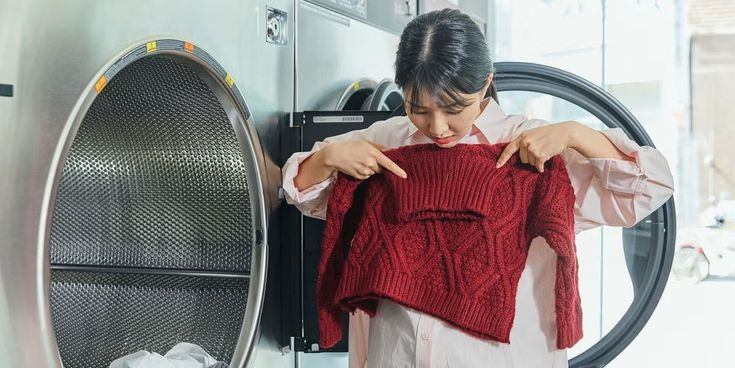
Creating a cozy summer home that serves as a peaceful retreat requires careful selection of appliances that enhance comfort without compromising on style or efficiency. At Appliances 4 Less Little Rock, we cater to residents in Little Rock, Benton, Conway, and Pine Bluff with an array of open box, scratch, and dented appliances that are perfect for elevating your summer living. Here’s our guide to the essential appliances for a cozy summer home.
In the cold winter, heavy clothes are hard to dry and become a problem for many families. Although the dryer can solve the urgent problem, if it is used improperly, it will not only consume time and electricity, but also damage the fiber of the clothes. This article shares several winter drying skills to help you easily deal with the problem of thick clothes drying.
(1)、Pretreatment of clothes
The fabric of winter clothing usually has the characteristics of strong water absorption. If it is thrown directly into the dryer without any treatment, the water evaporates slowly, which is not only time-consuming, but also easy to damage the fiber.
efficient pretreatment techniques:
1. air machine preheating method
Before putting in wet clothes, turn on the dryer and choose a medium-high temperature to run for 5-8 minutes. This allows the temperature sensors on the inner wall of the drum, the air duct and the inside of the machine to work optimally. After the empty machine is preheated, the wet clothes come into contact with a high temperature environment as soon as they enter, and the water starts to evaporate instantly, which can effectively shorten the overall drying time by 15%-20%.
2. cold wind first, hot wind later
Before the formal drying, use the “cold air” or “cool air” mode of the dryer (no electric heating, only air supply) to run for 10-15 minutes. The strong cold air flow will blow away part of the residual moisture in the deep free state of the clothing fibers, and at the same time blow away the entangled clothing and fluffy. After the cold air pretreatment, the moisture content of the clothes has been initially reduced, and the fiber gap is opened. At this time, it is switched to high-temperature drying, the hot air can penetrate the fabric more smoothly, and the heat directly acts on the core moisture, greatly shortening the subsequent heating time.
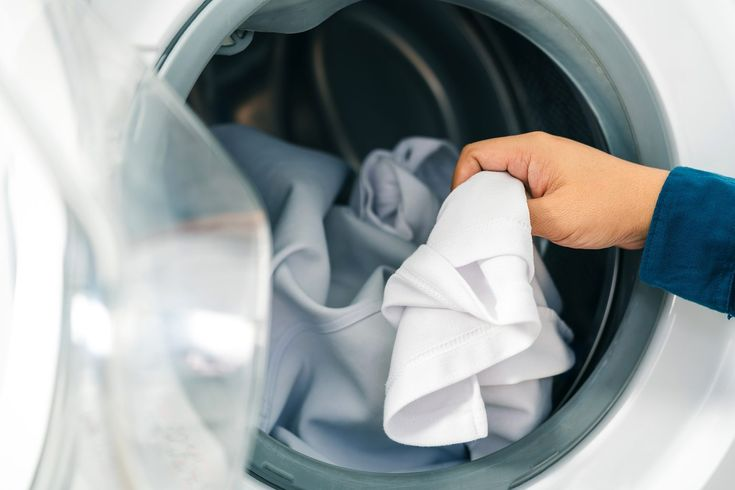
(2)、Placement skills of multi-piece drying
1. sandwich display method
Don’t throw clothes into it at random, try to stack them in layers in the following order:
①. Bottom layer: place the most heat-resistant, thickest denim cashmere pants or trousers.
②. Middle: Place sweaters, sweaters and other cotton clothing.
③. Top layer: Place light underwear, scarf or quick-drying clothing.
Based on the principle of hot air rising, the temperature of the bottom layer is relatively low and the bearing weight is large, which is suitable for slowly drying heavy clothes. The upper temperature is high, which is suitable for quickly taking away the moisture of light and thin clothes.
2. fluffy ball auxiliary method
Put in 2-3 special dried wool balls or clean tennis balls. They will continue to beat the clothes during the rolling process, creating tiny gaps between heavy clothes, allowing hot air to penetrate through the circulation, thus solving the problem of drying in the central part.
3. seven-point full loading principle
When the laundry is 70% full of the drum, the laundry has the best falling distance and rolling space. If overstuffed, the hot air will only slip through the cracks and cannot touch the inside of the clothing.

(3)、Skills to Solve the Problem of Dry and Wet Clothes Outside and Inside
Outside dry inside wet refers to the touch of clothing surface has been dry, but the inside or interlayer is still wet phenomenon. This phenomenon often occurs towards the end of the program.
1. causes
During the drying process of thick clothes, the surface fibers are heated quickly and the water evaporates rapidly, while the internal moisture migrates to the surface at a rate that cannot keep up with the evaporation rate of the surface, resulting in premature drying of the surface fibers or even overheating, hindering the discharge of internal moisture.
2. solving skills
①. Timer interrupt
Do not rely on the one-time completion of the dryer. For heavy cotton-padded jacket or down jacket, it is recommended to suspend the machine when the drying process is 60%-70% (usually 40-50 minutes after the drying starts).
②. Take it out and shake it out.
Take out the heavy clothes one by one and shake them hard for a few times to separate the adhered inner fibers again.
③. Turn over and re-bake
Turn the clothes originally located at the bottom of the center of the drum to the top, or unfold the sleeves and trouser legs of the clothes originally formed into a ball and put them into the dryer for re-drying.
④. Reduce loading
If it is found that there is still a large amount of clothes that are not dry after a turn, it means that the load may exceed the processing capacity of the machine. You can take out the light and thin clothes that have been dried, and loosen the remaining thick clothes again to continue drying.

(4)、Special precautions
In the pursuit of drying efficiency at the same time, must not ignore the correct maintenance of safety and clothing. The following are some points that need special attention when using the dryer in winter:
1. clean the fluff filter
Winter thick clothes in the drying process will produce a lot of lint and fluff. After each drying, be sure to clean the fluff filter inside the machine door. A clogged filter will not only severely reduce the drying efficiency (extending the time by more than 30%), but also a great fire hazard.
2. special materials are strictly prohibited from drying
Not all winter clothes are suitable for machine drying. Contains natural wool (without shrink-proof treatment), silk, and with leather, PU leather stitching clothing, in case of high temperature easily shrink or deformation cracking.
3. down jacket drying should be careful
Down jackets can be dried, but specific rules must be followed:
①. Low temperature drying: you must use the down jacket special mode or low temperature mode, high temperature will damage the protein on the surface of the down, resulting in a decrease in warmth.
②. Ensure that there are no metal parts: check the decorations on the clothes before drying. If there are large metal zippers or buttons, it is recommended to wrap them or take them out to avoid scratching the inner wall of the drum.
4. avoid excessive drying
Winter clothing fiber is more fragile. If the drying time is too long, it will cause the sweater to harden, shrink or brittle fiber. It is recommended to take out the clothes when they have a little bit of moist feeling, and use the residual temperature to dry naturally, which has the best protective effect on the clothes.

Conclusion
Mastering winter drying skills can not only make clothes dry quickly and fluffy as new, but also save time and energy consumption, and extend the service life of machines and clothes. I hope these tips can bring convenience to your winter life, so that warmth and comfort are always around.


