 Refrigerators
 Dryers
 Dishwashers
 Stoves
 Freezers
Causes and solutions of automatic defrosting function failure of refrigerators

Creating a cozy summer home that serves as a peaceful retreat requires careful selection of appliances that enhance comfort without compromising on style or efficiency. At Appliances 4 Less Little Rock, we cater to residents in Little Rock, Benton, Conway, and Pine Bluff with an array of open box, scratch, and dented appliances that are perfect for elevating your summer living. Here’s our guide to the essential appliances for a cozy summer home.
The automatic defrosting function of refrigerator is the key to maintain efficient refrigeration. Once it fails, it may lead to frost accumulation, increased energy consumption and even compressor damage. This paper will analyze the fault logic in a systematic way, and provide a complete solution from principle to operation.
(1)、The core logic of automatic defrosting system
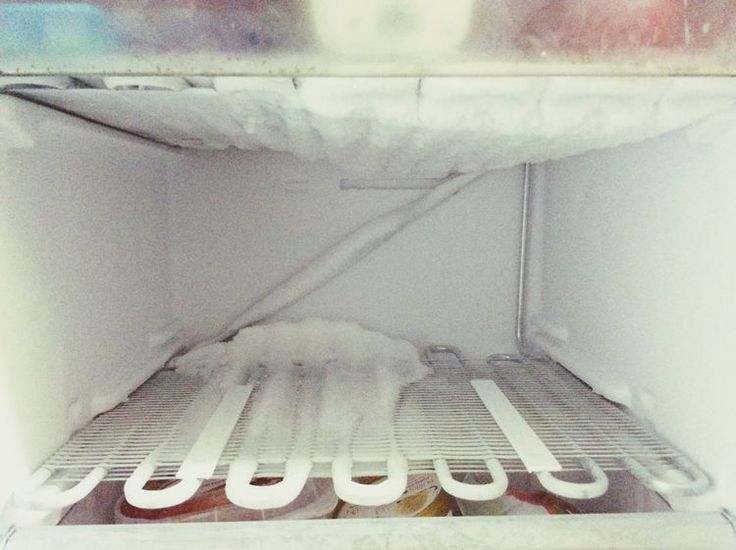
The automatic defrosting system relies on the cooperation of defrosting timer, heating device, temperature controller and drainage system. The defrost timer triggers a command to start the heating wire to melt the frost layer on the surface of the evaporator after the compressor has run for a certain cumulative time The melted frost water enters the water storage box through the drainage hole and evaporates naturally. If any link is out of order, the system fails.
1.Elements of system synergy:
Trigger conditions: freezer temperature below freezing point to start defrosting process, if the door seal is not tight resulting in high temperature, the system may not be activated.
2. Interrupt mechanism: defrost thermostat automatically cut off the heating after the evaporator temperature rises to the set value to prevent overheating damage.
3. Drainage Guarantee: the blockage of drainage hole will cause the backflow of defrosting water to freeze, forming a vicious circle.
(2、)four-level screening method
1. Investigation of environmental and operational factors
Door seals are not tight or frequent opening and closing of the door can lead to high freezer temperature, so that the system can not trigger defrosting. Available banknotes to test the door seal sealing (after clamping pull resistance uniform for normal) , if the resistance is not uniform need to adjust or replace the tape. At the same time, avoid putting uncooled food directly into, reduce the intrusion of hot and humid air.
2. Fault location of core components
Heating Wire Detection: remove the evaporator baffle after power off, and measure the resistance with a multimeter. The normal resistance value is in a certain range. If the abnormal resistance value indicates that the heating wire is burnt out, it is necessary to replace the element with the same power specification.
Defrost timer check: monitor the running sound, silent or abnormal sound prompt motor fault. The mechanical timer can be manually rotated to the defrost position, and the state is judged by the contact suction sound; the electronic type needs to detect the output signal of the main control board.
Temperature Controller and fuse check: Test whether the bimetal is closed at low temperature, whether it is open after heating up; if the fuse is fused, it needs to be replaced as a whole.
3.Analysis of hidden circuit problems
Focus on checking whether the heating wire terminal welding, or the main control board to the heating wire voltage signal is normal. For example, the transistor pin virtual welding has caused the defrosting relay can not be sucked, after rewelding fault elimination. Indirect-cooled refrigerators also need to check whether the fan during defrosting stop, to prevent hot air leakage affecting efficiency.
4. System-level failure linkage response
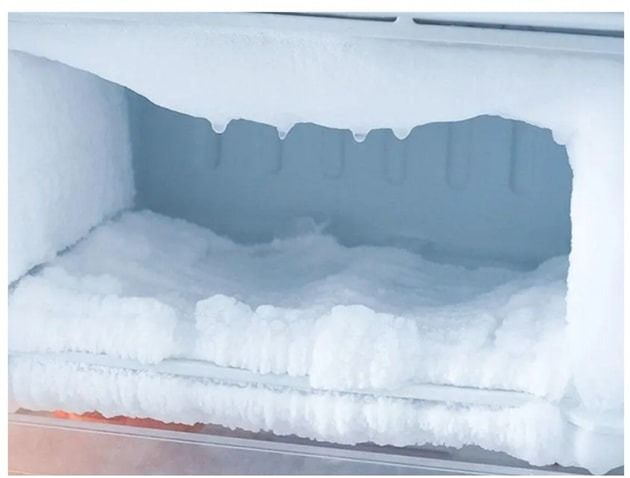
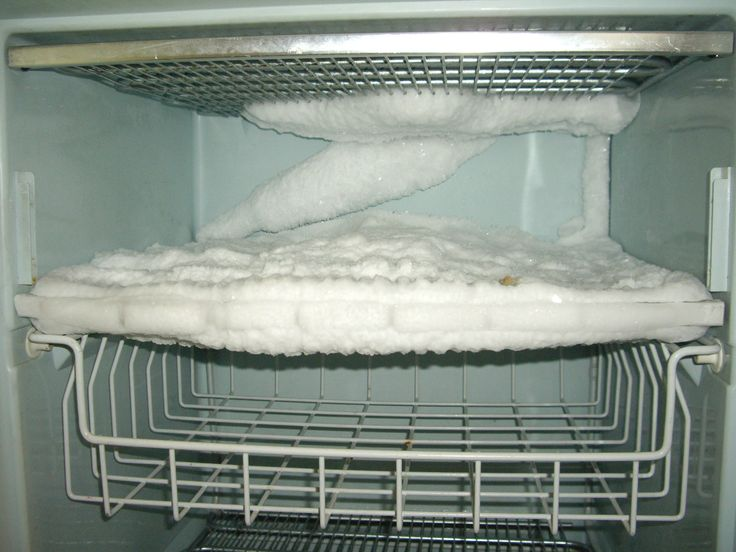
Repeated blockages in the drains may be due to incomplete defrosting or a perceived failure of the thermostat. After dredging, it is still invalid to jointly check the heating power and the slope of the drainage pipe, and observe whether the frost layer on the surface of the evaporator melts evenly.
(3) 、 repair strategy and long-term maintenance
Replacement and calibration of parts
Heating wire replacement: need to choose the same power specifications of the original factory, the installation of wrapping insulation layer, to avoid local overheating caused by bending.
Timer calibration: mechanical need to manually reset the gear set, electronic can be debugged through the interface reset defrost cycle parameters.
Program optimization: Support Custom models can shorten the defrosting interval in summer, winter enabled temperature compensation function.
2. Preventive maintenance system
Monthly Maintenance: clean the drain hole and water box to prevent the accumulation of dirt affecting the drainage.
Quarterly in-depth maintenance: check the distribution of frost layer on the evaporator surface, detect the defrosting current, abnormal fluctuations indicate component aging.
Usage Optimization: food should be stored in sealed containers to reduce moisture evaporation and avoid frequent door opening leading to temperature fluctuation.
Conclusion
Automatic defrosting faults are mostly caused by component aging or improper use. Most common problems can be solved by systematic investigation. If involved in circuit board damage or refrigerant leakage and other complex situations, be sure to contact the professional after-salesー safety is the absolute prerequisite for maintenance. Regular maintenance combined with standard use can extend the life of the equipment and reduce energy consumption.


